knowledge10 min read
What is context compaction in coding agents, and what does it lose?
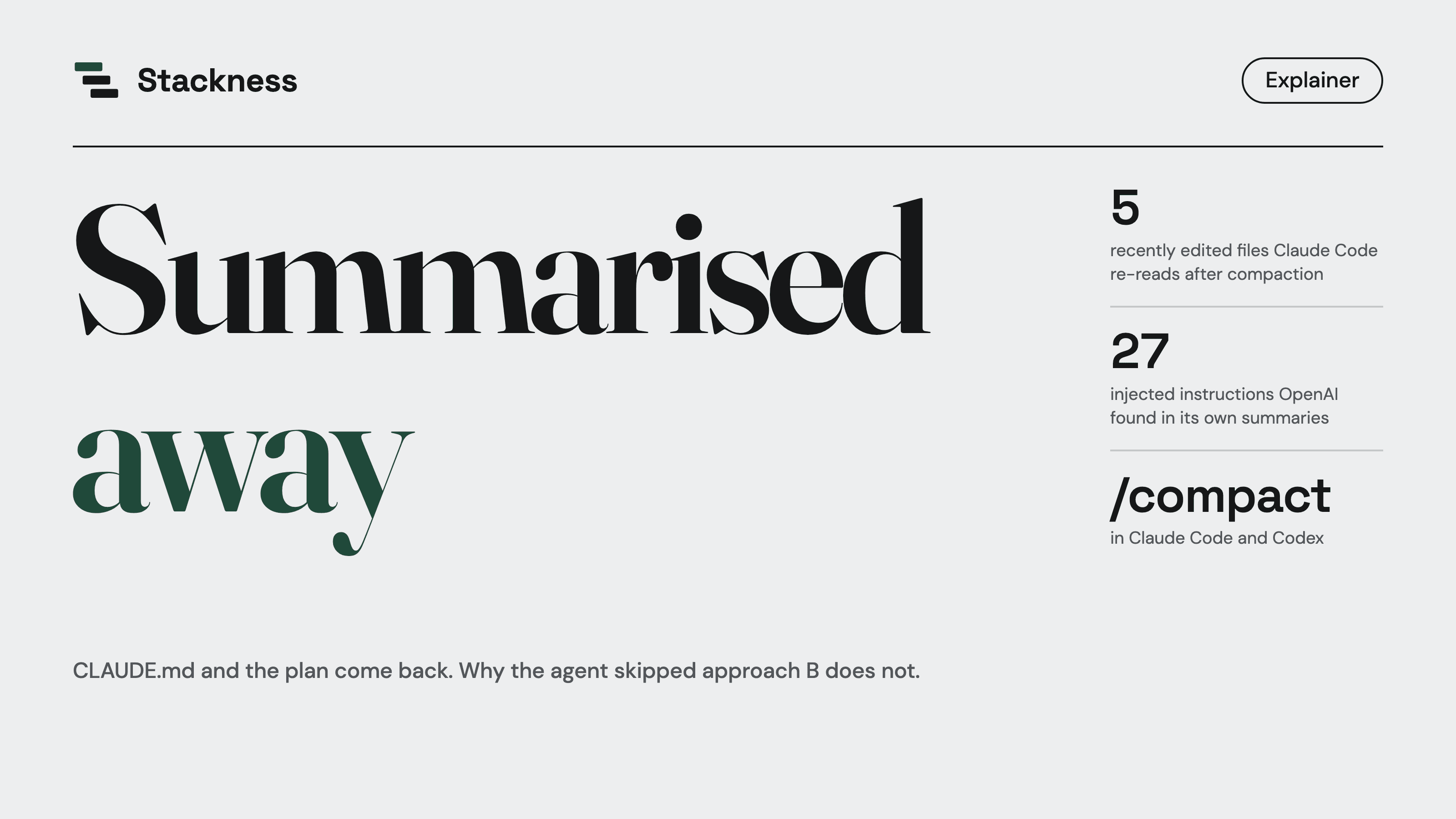
Compaction is the step where a coding agent summarises its own history to keep working: what it keeps, what it drops, and what OpenAI found in its summaries.
Updates, announcements, trends and explainers from Stackness
Compaction is the step where a coding agent summarises its own history to keep working: what it keeps, what it drops, and what OpenAI found in its summaries.
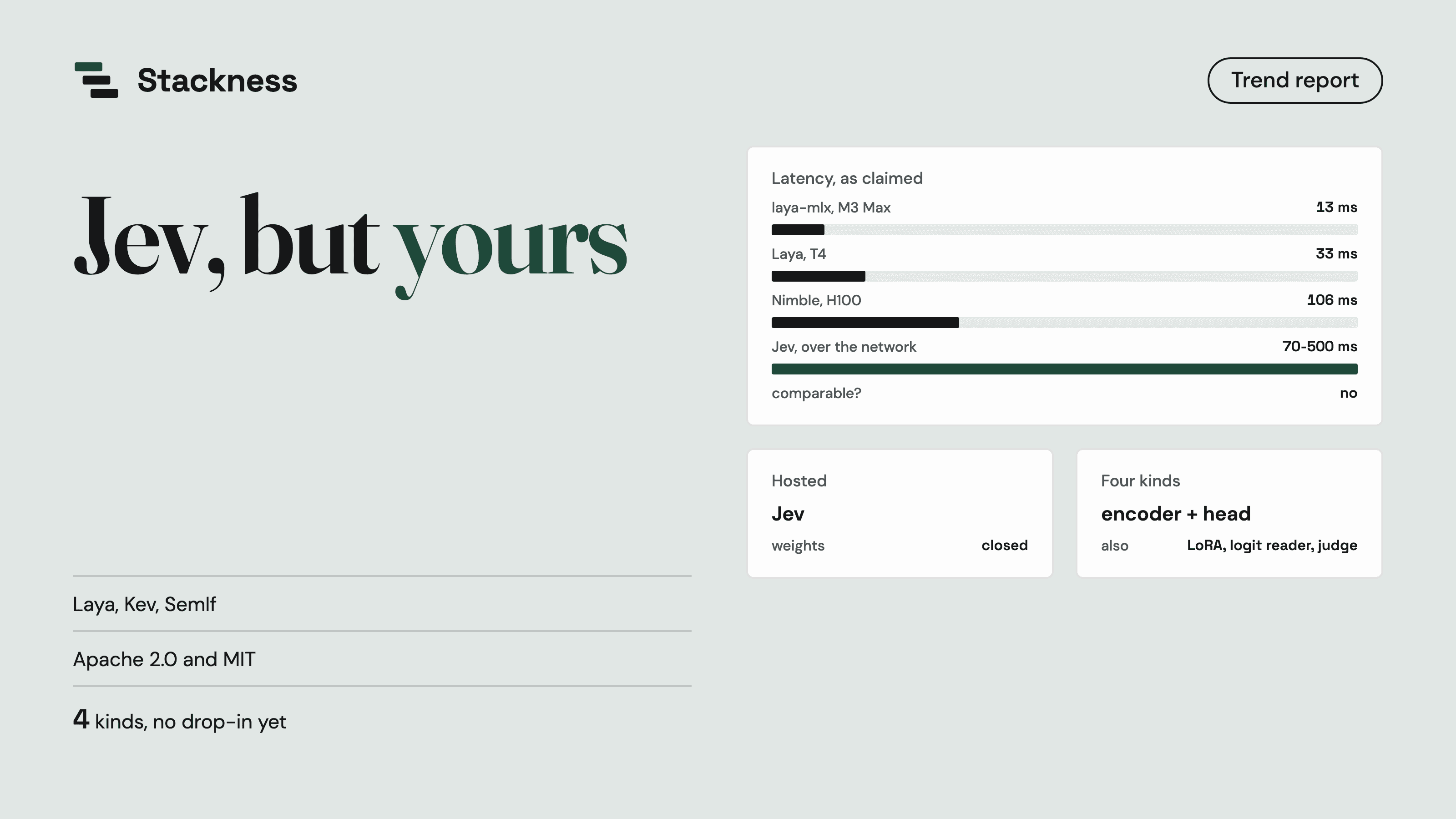
The open-source alternatives to Jev are Laya, Kev, SemIf, Open-Jev and Nimble. They are four kinds of project, and here is what each one replaces.
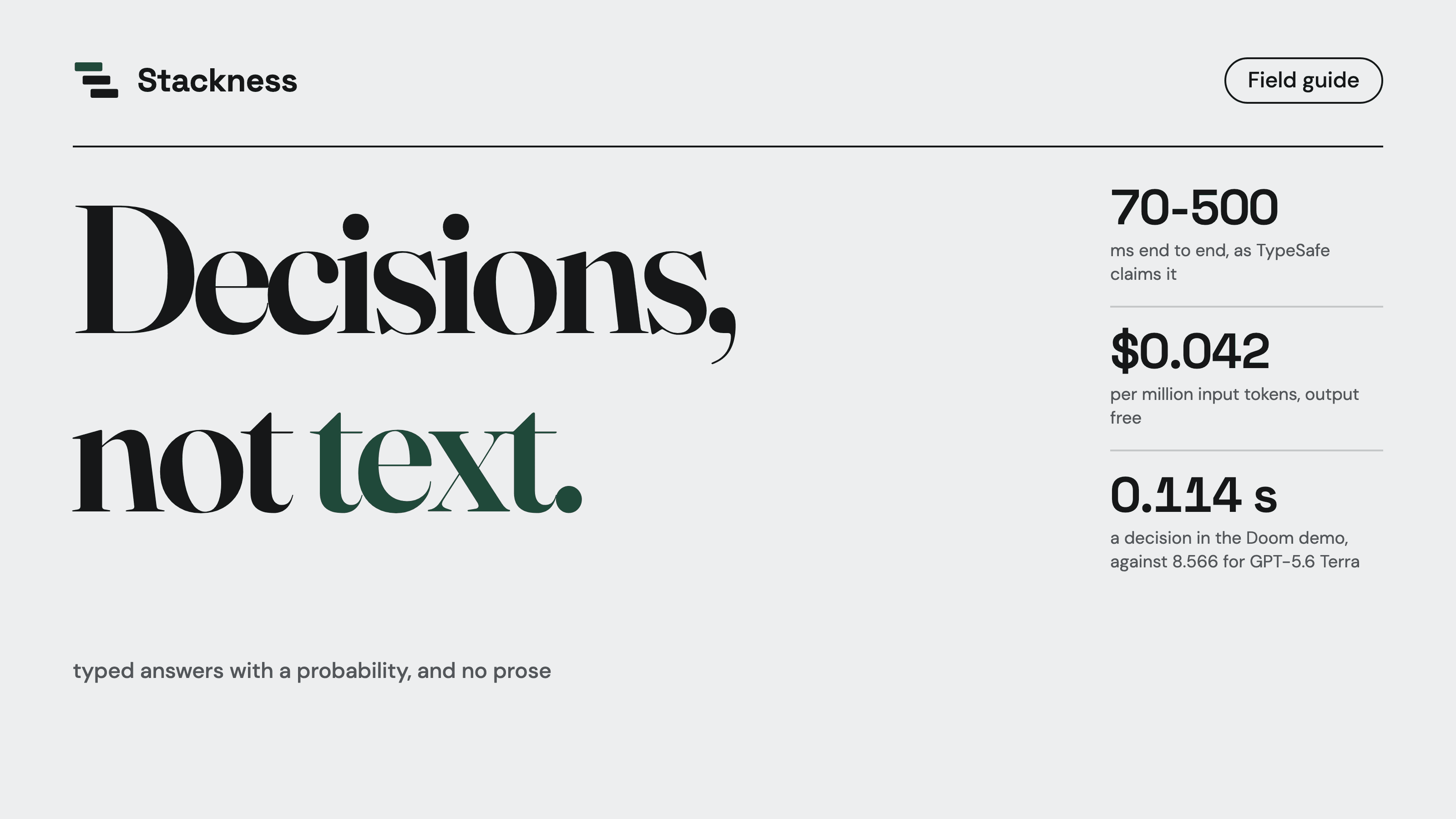
A System One model answers typed questions with typed answers and a probability, not text. It sits beside your LLM and takes the small, frequent decisions.
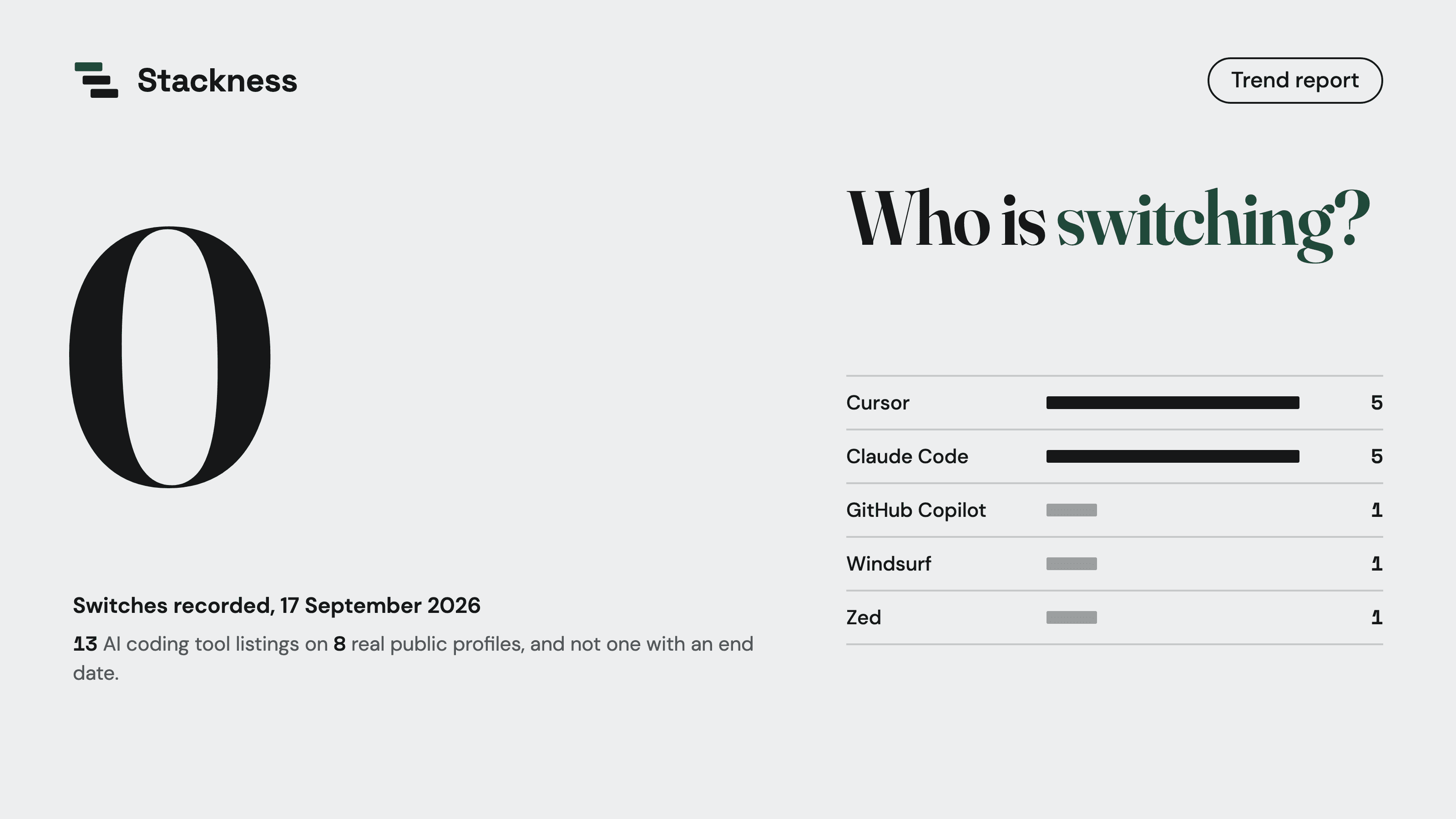
Cursor and Claude Code tie at five of eight real Stackness profiles in September 2026. Co-use beats switching, and no one has recorded a switch yet.
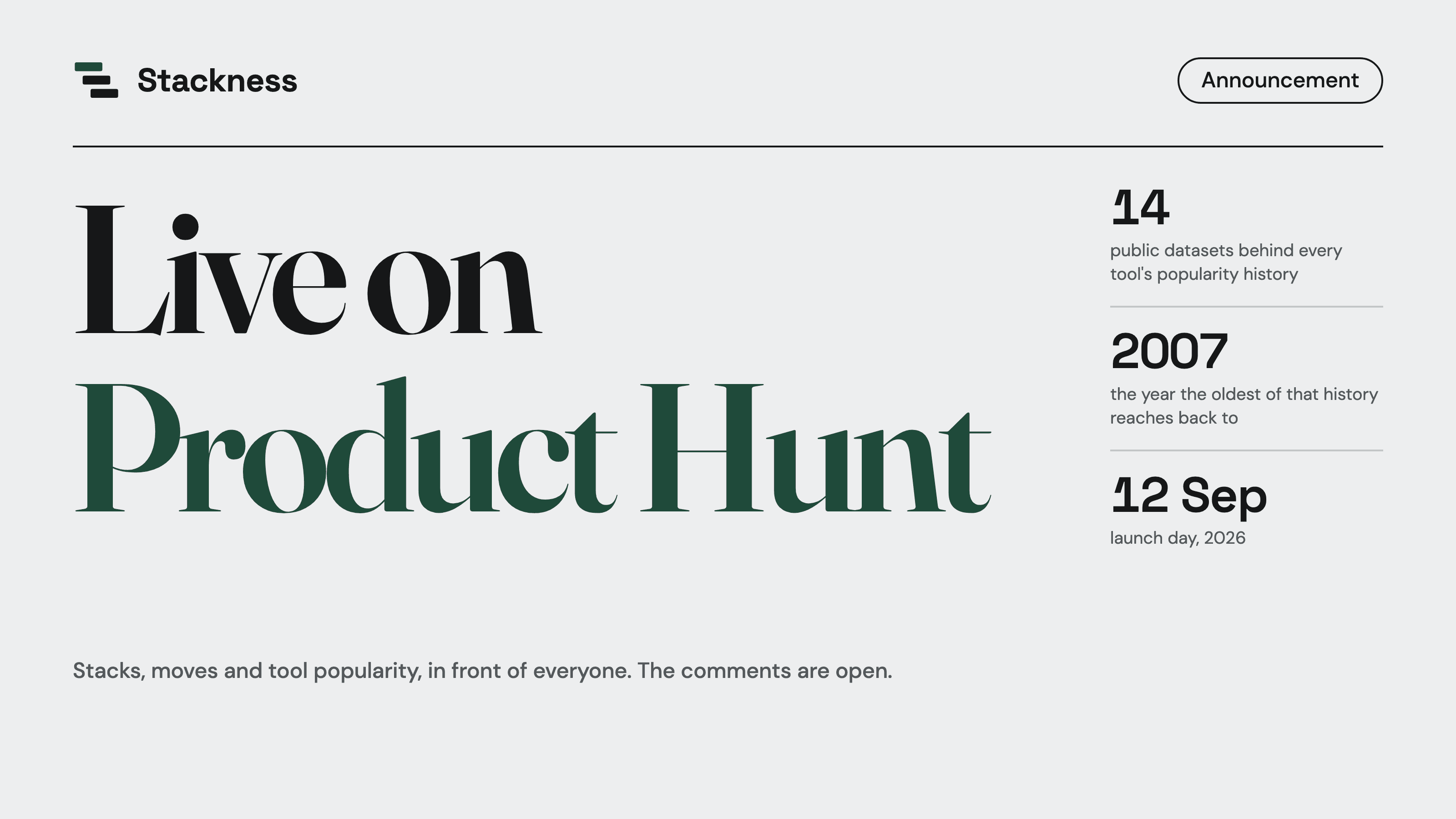
Stackness is on Product Hunt today. What it is, the three kinds of feedback that would help most, and where to leave them, in public or in private.
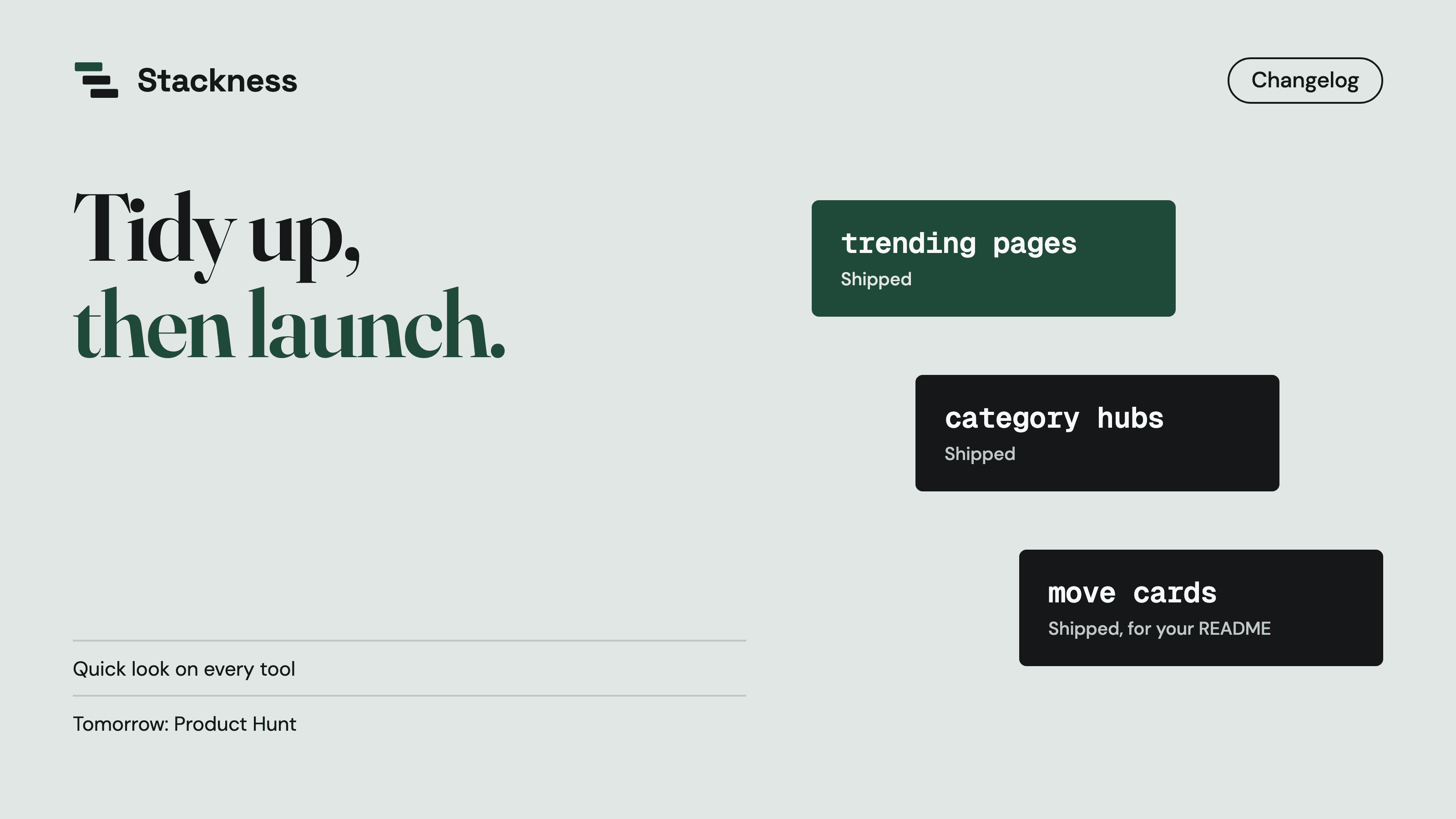
What shipped before the 12 September Product Hunt launch: public trending pages, ten category hubs, move cards for your README and tile quick look.
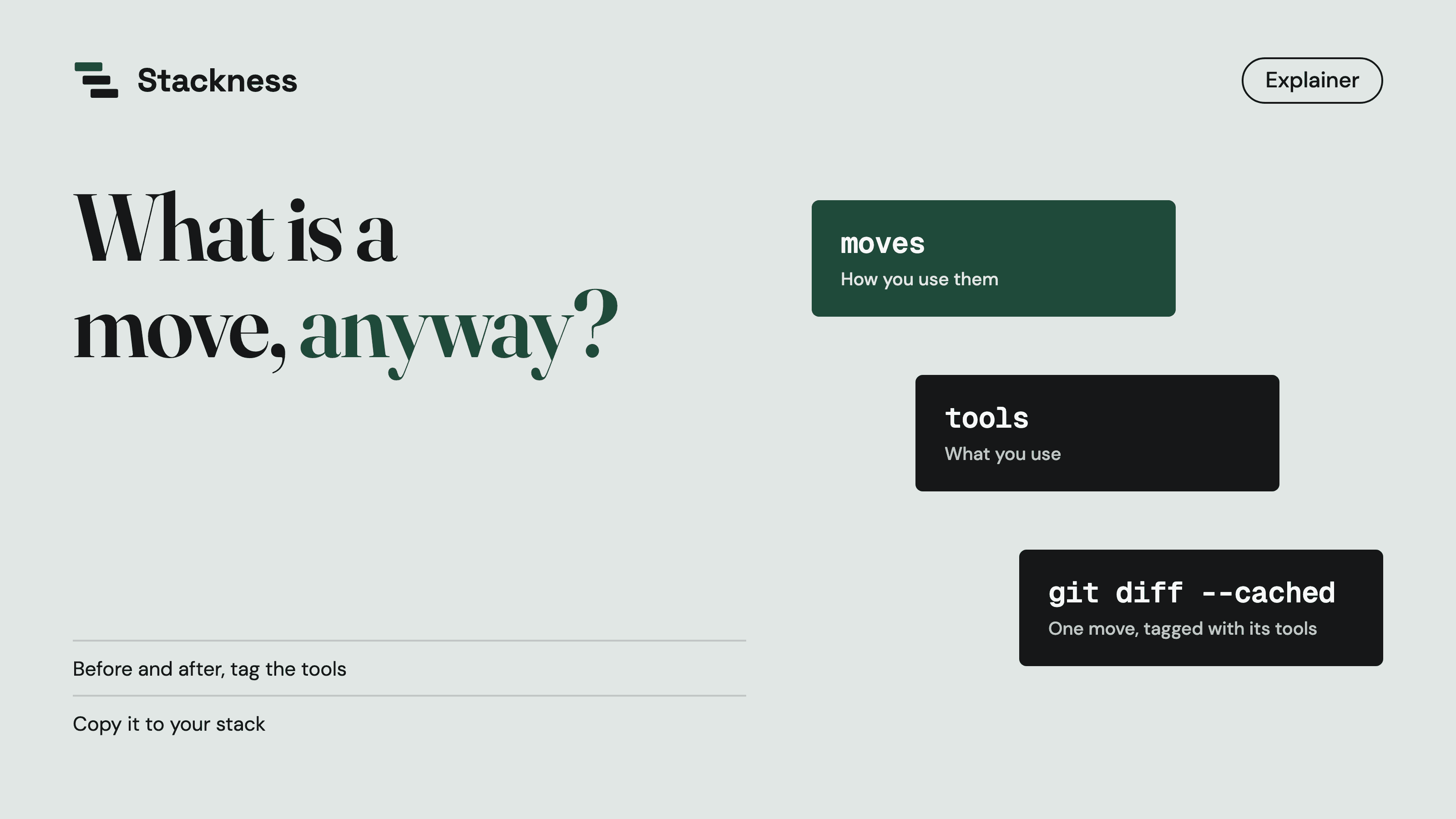
A move is how you use your tools: a technique, habit or workflow in your own words. What counts as a move, what does not, and how to write one.
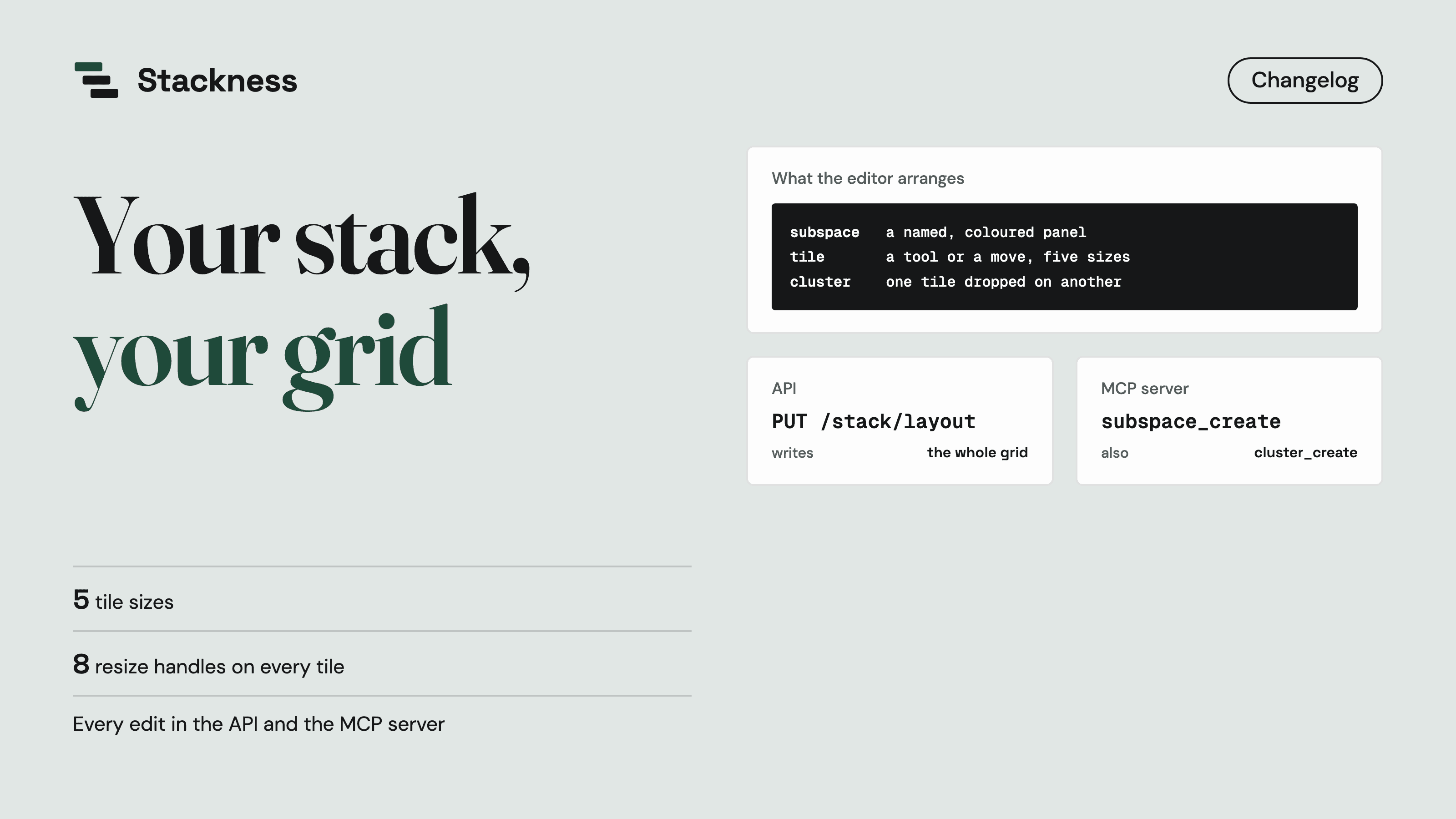
Your stack page is now a bento grid you arrange yourself: subspaces, five tile sizes and drag-to-group clusters. Plus bookmarks, one History tab and MCP parity.
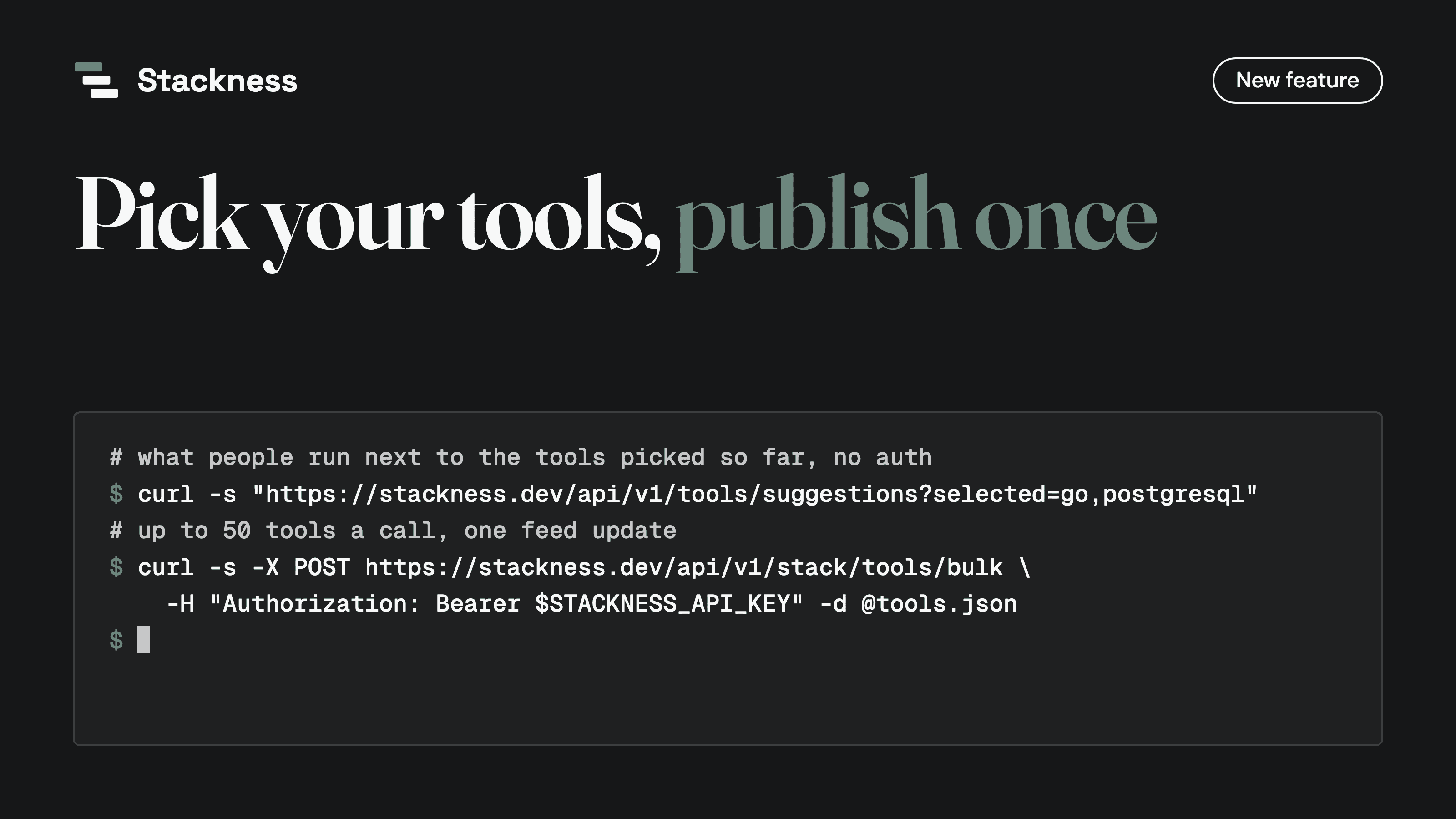
A new picker fills your stack from what people run together. Tap the tools you use, watch related ones show up next to them, publish the lot as one update.
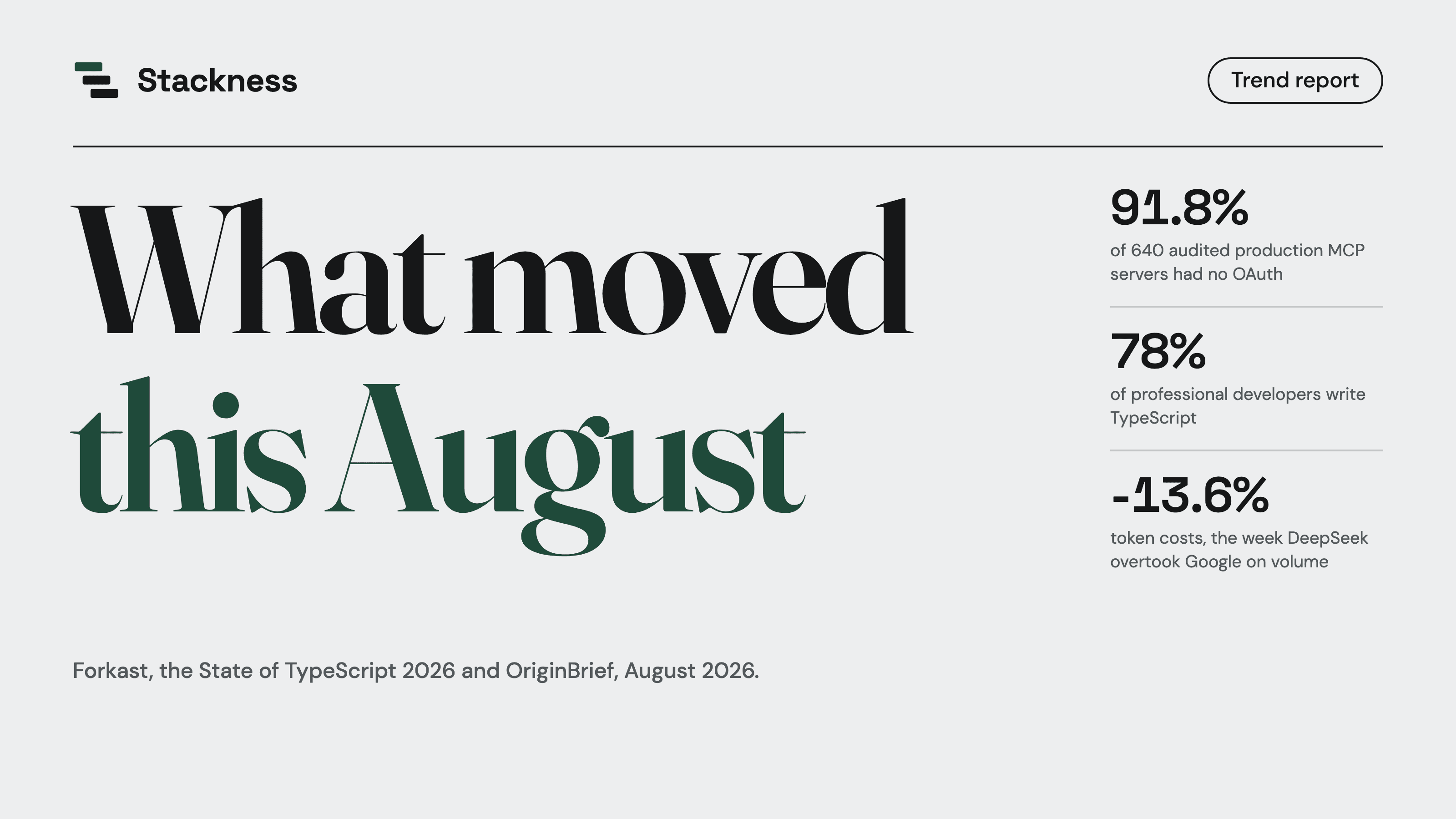
August 2026 in developer stacks: harness features over new models, 91.8% of audited MCP servers without OAuth, native TypeScript and Postgres for everything.
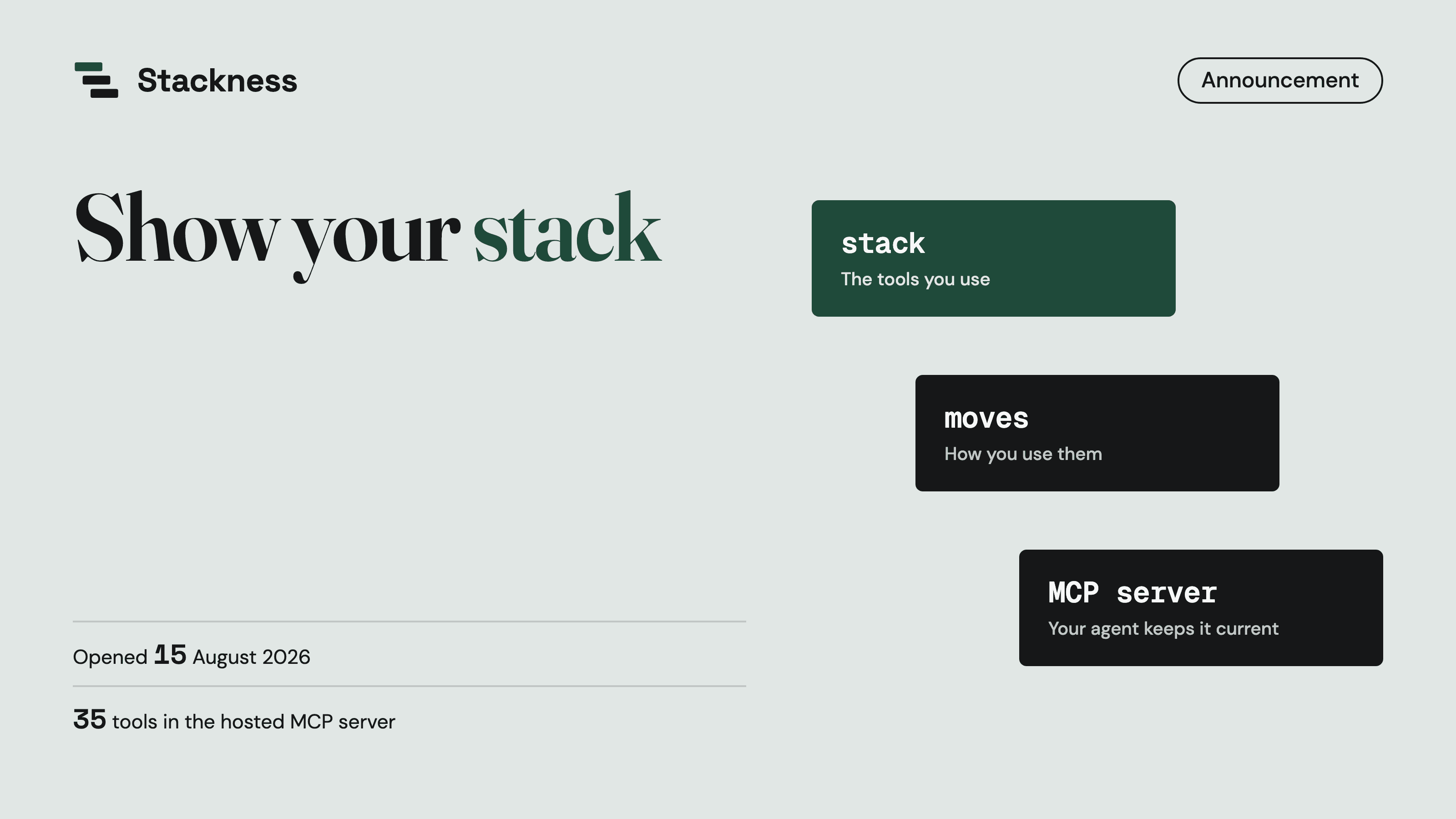
Stackness opened on 15 August 2026: one public page for the tools you use and the moves behind them, with dated history, trends and an MCP server.